
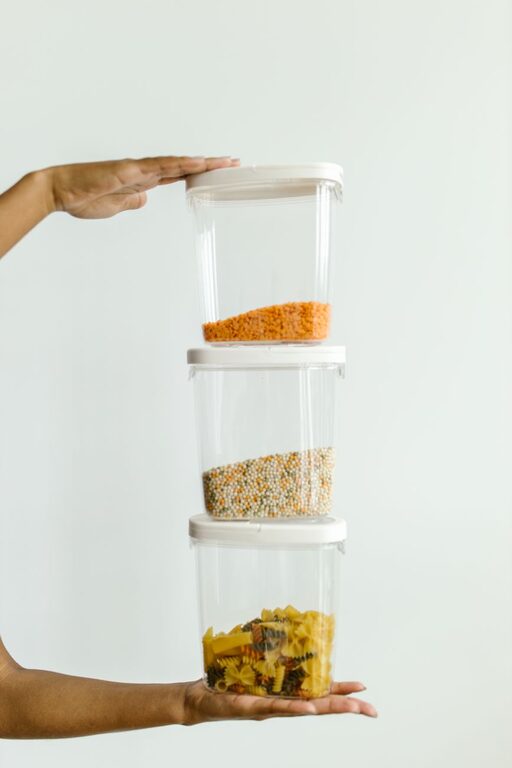
How to Plan Meals from Pantry Staples for Easy, Tasty Dinners
When it comes to cooking at home, having a well-stocked pantry can be a lifesaver. Whether you’re trying to save money, reduce trips to the grocery store, or simply eat more home-cooked meals, planning meals based on pantry staples is a smart approach. This guide will help you learn how to use common pantry ingredients to create tasty, satisfying meals with minimal stress.
Why Plan Meals from Pantry Staples?
Planning meals around pantry staples offers several benefits:
– Convenience: You can whip up meals quickly without last-minute shopping.
– Budget-friendly: Pantry items are often affordable and last a long time.
– Reduced food waste: Using what you have prevents ingredients from spoiling.
– Flexibility: Combining staples in different ways creates variety.
Common Pantry Staples to Keep on Hand
Before you start planning, it’s helpful to stock your pantry with versatile basics. Here’s a list of essentials that serve as the foundation for many recipes:
– Grains: Rice, pasta, quinoa, couscous, oats
– Canned goods: Beans (black, kidney, chickpeas), tomatoes, tuna, corn
– Baking essentials: Flour, sugar, baking powder, yeast
– Oils and vinegars: Olive oil, vegetable oil, apple cider vinegar, balsamic vinegar
– Spices and herbs: Salt, pepper, garlic powder, paprika, dried oregano, chili flakes
– Broth or stock: Vegetable, chicken, or beef broth (canned or boxed)
– Nut butters: Peanut butter, almond butter
– Other staples: Nuts, seeds, dried fruits, soy sauce, honey or maple syrup
Having these items on hand allows you to combine them in numerous ways to create balanced meals.
Step 1: Take Inventory of Your Pantry
Start by taking stock of what you already have. Organize your pantry to see your grains, canned goods, and spices clearly. Make a list of the ingredients and note their quantities. This helps you identify what you can use right away and what may need to be replenished.
Step 2: Think About Your Meal Needs
Consider how many meals you want to plan for and your dietary preferences or restrictions. Think about whether you want quick weeknight dinners, lunches, or batch-cooked meals for the week. This step helps guide your recipe choices.
Step 3: Choose a Protein Source
Many pantry staples offer protein options without the need for fresh meat:
– Canned beans or lentils
– Canned tuna or salmon
– Nut butters
– Nuts and seeds
– Dried lentils or split peas
Pairing these with grains and vegetables creates a complete meal.
Step 4: Pick Your Base (Grain, Pasta, or Vegetable)
Decide which staple will serve as the base of your meal:
– Rice bowls with beans and veggies
– Pasta with tomato sauce and canned tuna
– Quinoa salad with nuts and dried fruits
– Soup with broth, lentils, and canned tomatoes
Having a clear base helps shape your recipe and ingredients.
Step 5: Add Flavor with Spices and Sauces
Spices are key to transforming pantry staples into something delicious. Garlic powder, chili flakes, cumin, and dried herbs add depth. Sauces like soy sauce, hot sauce, or vinegar-based dressings bring brightness and contrast.
Example Seasoning Combinations:
– Mediterranean: Oregano, garlic, olive oil, lemon juice
– Mexican-inspired: Cumin, chili powder, lime, cilantro (fresh or dried)
– Asian-style: Soy sauce, ginger powder, sesame oil, chili flakes
Step 6: Incorporate Fresh or Frozen Produce if Possible
While planning meals from the pantry, adding fresh or frozen vegetables can enhance flavor, texture, and nutrition. Carrots, onions, garlic, spinach, frozen peas, or mixed vegetables are great choices to keep on hand.
Sample Pantry Meal Ideas
Here are practical examples you can try, using pantry staples with minimal fresh ingredients:
1. Chickpea and Tomato Curry
– Ingredients: canned chickpeas, canned diced tomatoes, onion (optional), garlic powder, curry powder, rice
– Method: Sauté onion if available, add spices and chickpeas, stir in tomatoes and simmer. Serve over cooked rice.
2. Tuna Pasta Salad
– Ingredients: pasta, canned tuna, canned corn, olive oil, lemon juice or vinegar, salt, pepper
– Method: Cook pasta, drain and cool. Mix with tuna, corn, a splash of olive oil and lemon juice, season to taste.
3. Lentil Soup
– Ingredients: dried lentils, broth, canned tomatoes, onion, garlic powder, dried herbs
– Method: Sauté onion if you have it, add lentils, broth, tomatoes, and herbs. Simmer until lentils are tender.
4. Peanut Butter Noodles
– Ingredients: pasta, peanut butter, soy sauce, honey or maple syrup, chili flakes
– Method: Cook pasta, mix peanut butter with soy sauce and a little honey, toss noodles in sauce, sprinkle with chili flakes.
Tips for Success
– Rotate staples: Use older items first to avoid expiration waste.
– Double recipes: Cook enough to save for leftovers or freeze.
– Experiment: Try new spice mixes or combine different staples.
– Keep it balanced: Pair carbs with protein and some vegetables for nutrition.
Final Thoughts
Meal planning from pantry staples is a practical, budget-conscious way to enjoy home cooking with less stress. By organizing your pantry, choosing versatile ingredients, and seasoning thoughtfully, you can create delicious meals any day of the week. With practice, this skill can become a natural part of your routine, helping you save time and reduce waste.
Start by checking your pantry today and experiment with one of the sample recipes. You might be surprised how tasty and easy pantry-based meals can be!
